
The Hidden Underground Water System That Built a City:Khettarat.
What Is a Khettara?
A Khettara is an underground tunnel designed to carry water from the foothills of the Atlas Mountains to villages, farms, and cities using nothing but gravity.
This ingenious system was introduced centuries ago and became one of the keys to Marrakech’s growth and prosperity.
Instead of allowing precious water to evaporate under the hot Moroccan sun, engineers dug long underground galleries that protected the water while guiding it gently across many kilometers.
Even today, parts of these ancient tunnels still exist.
A Masterpiece of Ancient Engineering
Building a khettara required incredible skill and patience.
Workers dug narrow tunnels underground, sometimes stretching for several kilometers. Along the route, they created a series of vertical shafts leading to the surface.
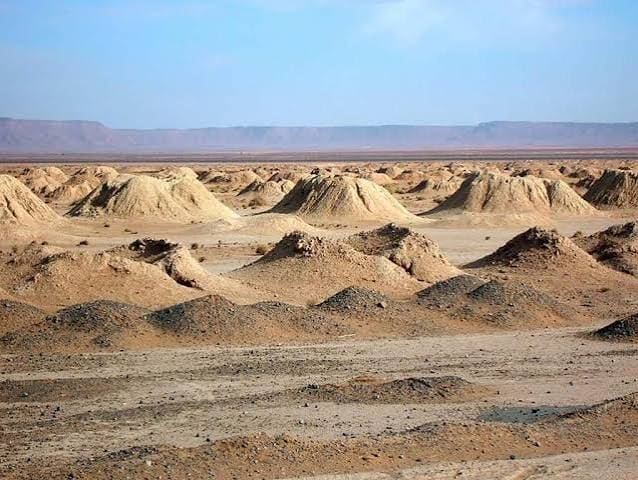
If you’ve ever driven through the countryside around Marrakech and noticed long rows of circular holes crossing the landscape, you’ve probably seen the remains of a khettara.
Those openings allowed workers to remove soil during construction and later provided access for maintenance and repairs.
Without modern machinery, every meter of tunnel was dug by hand.
Why Was It Built Underground?
The people who designed the khettarat understood something very important.
In Morocco’s warm climate, water exposed to the sun quickly evaporates.
By transporting water underground, they greatly reduced water loss while protecting it from dust and contamination.
The gentle underground slope also allowed the water to flow naturally without pumps or engines.
It was a simple idea—but a brilliant one.
Giving Life to Marrakech
For centuries, the khettaras supplied water to:
- Traditional gardens
- Palm groves
- Farms and orchards
- Public fountains
- Homes and neighborhoods
Without these underground channels, Marrakech would have struggled to become the vibrant city we know today.
The famous gardens that visitors admire today owe much of their existence to these ancient irrigation systems.
A Forgotten Treasure
As modern water networks developed, many khettaras gradually fell out of use.
Some dried up.
Others were abandoned.
Yet they remain an extraordinary example of human ingenuity and sustainable engineering.
Today, historians and conservationists continue to study and protect the surviving sections, recognizing their importance as part of Morocco’s cultural heritage.
Why This Story Matters
Most travelers come to Marrakech for its colorful souks, historic palaces, and lively squares.
Few realize that one of the city’s greatest wonders lies beneath the ground.
The khettaras remind us that long before modern technology, people used knowledge, patience, and respect for nature to solve complex problems.
They didn’t fight the environment—they worked with it.
Perhaps that’s one of the greatest lessons these ancient tunnels still have to teach us.
Where Can You See Them?
Near Ain Slim. Not too far from Marrakech. About 7 km. I can show them to you.just ask me